
What are the long-term effects of frequent gambling?
Financial Consequences
The financial impact of frequent gambling can be profound and long-lasting. Regular engagement in gambling activities often leads to substantial monetary losses that can accumulate over time. Many individuals underestimate the extent to which their financial health can deteriorate; what may begin as a casual pastime can spiral into significant debt. The psychological allure of winning can cloud judgment, leading to reckless spending. This fight against financial decline creates a vicious cycle, where individuals chase losses with the hope of recovery, ultimately exacerbating their situation.
Frequent gamblers may find themselves borrowing money from family or friends, or even resorting to loans with high-interest rates. This not only strains personal relationships but can also introduce serious legal issues if they fall behind on payments. In extreme cases, some individuals risk their long-term financial stability, including retirement savings or educational funds, to finance their gambling habits. The long-term financial implications are not just immediate debts but may also include bankruptcy, which can take years to recover from.

Moreover, the financial fallout can spill over into all aspects of life, affecting individuals’ credit scores and their ability to engage in normal financial activities. As debts accumulate, access to credit becomes more difficult, limiting future financial opportunities. The stress associated with these financial burdens can also hinder career advancement, as the focus on gambling overwhelms other priorities. Over time, it’s common for gamblers to become isolated from their peers and support systems, compounding the financial strain with emotional distress.
Emotional and Psychological Impact
The emotional toll of frequent gambling can be severe and long-lasting. Many individuals experience anxiety, depression, or feelings of isolation as a result of their gambling activities. The constant cycle of hope and disappointment, as well as the stress of financial woes, can lead to significant mental health challenges. This emotional burden can impact other areas of life, including work performance and personal relationships, leading to a downward spiral that is difficult to escape.
Furthermore, compulsive gambling can create a sense of shame and guilt, which often prevents individuals from seeking help. The stigma attached to being a gambler can lead to further emotional distress, isolating them from social support networks. In the long run, this emotional impact can result in long-standing psychological disorders that require professional intervention, adding another layer of complexity to the fallout from frequent gambling.
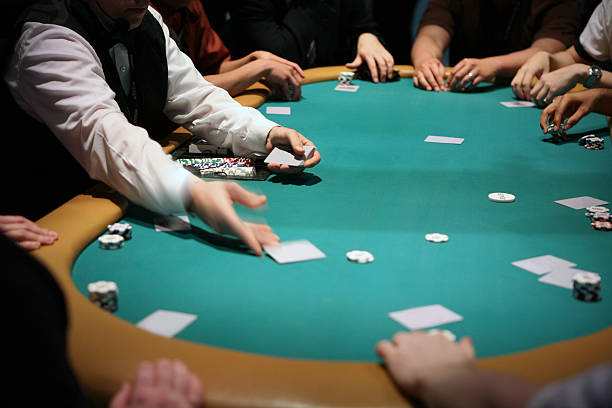
To illustrate, many gamblers find themselves experiencing symptoms akin to those of substance addiction, characterized by compulsive behaviors and cravings. The inability to control one’s gambling can lead to profound feelings of despair and hopelessness, making it imperative for those affected to seek professional help. Accessing therapy can provide critical coping mechanisms, such as mindfulness practices and emotional regulation skills. Through therapy, gamblers can learn to address the underlying issues that contribute to their compulsive behavior, paving the way toward recovery.
Impact on Relationships
Frequent gambling can take a toll on personal relationships, leading to mistrust and conflict among family members, friends, and partners. As the gambling habit grows, communication often deteriorates, and emotional bonds may weaken. Spouses or partners may feel neglected or betrayed, particularly if finances become strained due to gambling debts. The emotional fallout can lead to increased domestic tensions and even separation or divorce.
Children in families where one or both parents gamble frequently may also suffer as a result. They may experience instability at home, and their emotional well-being could be compromised. The long-term effects on children can include behavioral problems and a higher likelihood of developing gambling issues themselves as they grow older. As the cycle of gambling repeats across generations, the impact on relationships becomes even more pronounced, perpetuating dysfunction within families.
Friends and extended family members often feel the repercussions as well. Trust can erode not only between the gambler and their immediate family but also with friends who may be taken advantage of or left out due to the gambler’s preoccupation. The overall social fabric becomes frayed, as individuals are less inclined to invite a frequent gambler to social events or activities. As relationships strain under the weight of gambling-related issues, the chances of forming strong, supportive networks diminish significantly.
Health Consequences
The health implications of frequent gambling extend beyond the financial realm; they can also affect physical well-being. The stress and anxiety associated with problematic gambling can lead to various physical manifestations, including headaches, fatigue, and gastrointestinal issues. In extreme cases, a gambler may neglect their health entirely, leading to poor nutrition and lack of exercise as they spend more time engaged in gambling rather than self-care.
Moreover, compulsive gambling can lead to addiction, a serious condition that may require intensive treatment. This can involve therapy, medication, or support groups designed to help individuals regain control of their lives. The journey to recovery can be long and arduous, often requiring additional resources, which can have further implications for financial stability and emotional well-being. The interplay between gambling and health underscores the importance of addressing this issue comprehensively.
Additionally, frequent gambling can lead to significant lifestyle changes that adversely affect one’s health. Irregular eating patterns can develop, such as skipping meals or overeating during binge gambling sessions. Sleep patterns are also disrupted, with extended gambling hours leading to chronic fatigue. Regular medical check-ups may be overlooked as the individual becomes more consumed by their gambling activities. This neglect can lead to long-term health issues that may require extensive medical intervention, compounding the problem even further.
About Us
Our website aims to provide comprehensive resources and support for individuals affected by gambling. We understand the myriad challenges associated with frequent gambling, from financial hardships to emotional struggles. Through informative articles and professional guidance, we strive to empower individuals to take the necessary steps toward recovery.
If you are looking for insightful discussions or resources to aid in understanding the implications of gambling and its long-term effects, we invite you to explore our content. We are committed to helping those affected find the information they need, including links to helpful tools, support groups, and educational resources, such as best online pokies nz. Together, we can work toward breaking the cycle of gambling addiction and fostering healthier lifestyles.
Ultimately, our goal is to create a supportive community where individuals can feel understood and empowered. We believe that through shared knowledge and experiences, healing is not just possible, but attainable. By actively participating in forums and discussions on our site, visitors can connect with others who have faced similar challenges, fostering a sense of camaraderie and shared strength.
 English
 Turkish